Extreme summer heat can put extra stress on the body, increasing the risk of dehydration, heat exhaustion, and heatstroke. Taking simple precautions can help you stay comfortable and protect your health during hot weather. Whether you’re spending time outdoors or staying indoors, following these safety tips can make a big difference.
Stay Hydrated
Drinking enough water is one of the most important ways to stay healthy in hot weather. Your body loses fluids through sweat, so it’s essential to replace them regularly. Carry a reusable water bottle and sip water throughout the day, even if you don’t feel thirsty. Fresh fruits and vegetables with high water content, such as watermelon, cucumber, and oranges, can also help support hydration.
Dress for the Weather
Wear lightweight, loose-fitting clothing made from breathable fabrics like cotton or linen. Light-colored clothes reflect more sunlight than dark colors, helping you stay cooler. A wide-brimmed hat and sunglasses can provide extra protection when you’re outdoors.
Avoid the Hottest Part of the Day
Temperatures are usually highest between late morning and early evening. If possible, schedule outdoor activities during the early morning or after sunset when it’s cooler. If you must be outside during peak heat, take frequent breaks in the shade or an air-conditioned space.
Eat Light and Nutritious Meals
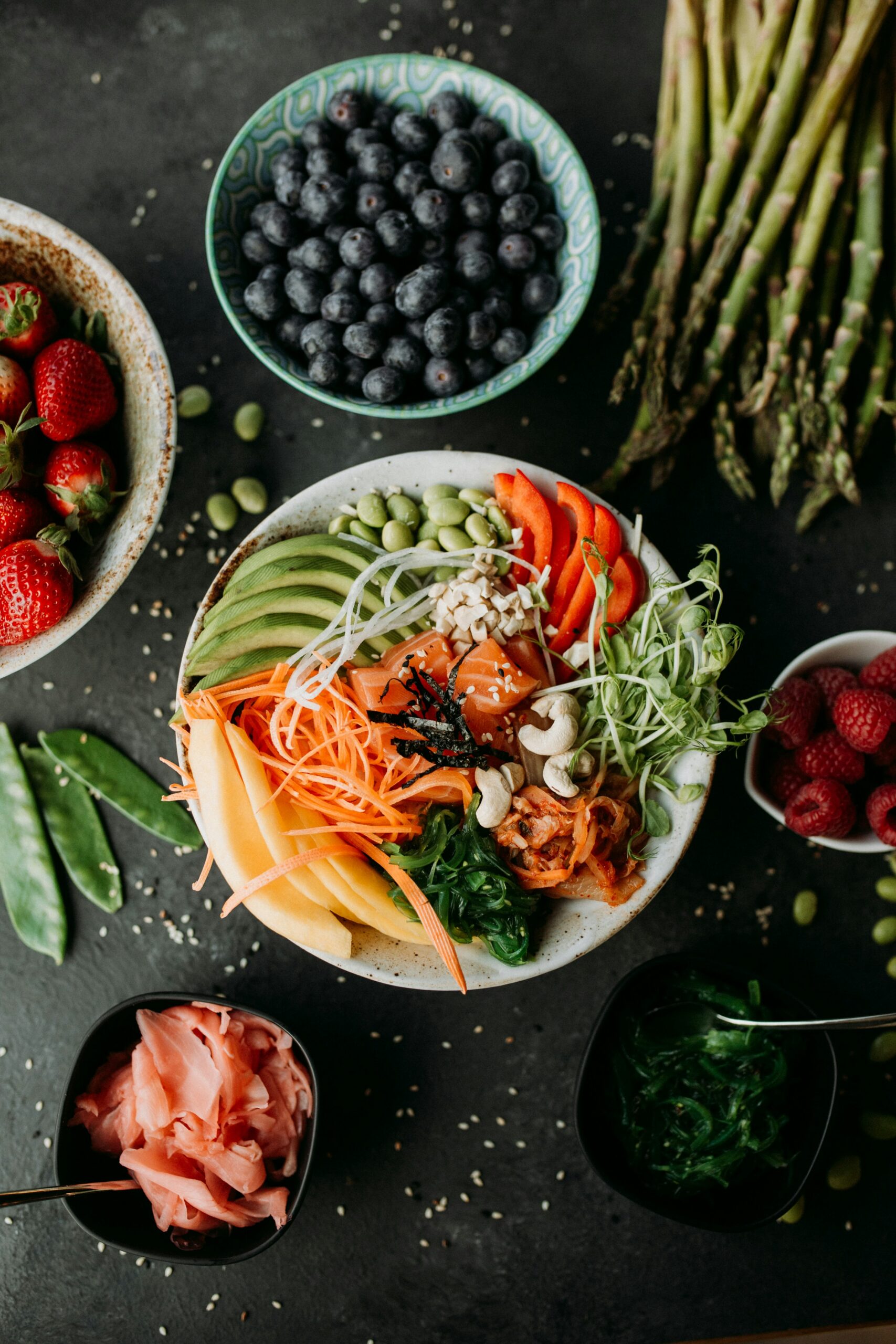
Heavy meals may make you feel sluggish in hot weather. Instead, choose smaller meals that include fresh fruits, vegetables, whole grains, and lean proteins. These foods provide essential nutrients without making you feel overly full.
Protect Yourself from the Sun
Apply a broad-spectrum sunscreen with an appropriate SPF before going outside, even on cloudy days. Reapply it as directed, especially after sweating or swimming. Sunburn can make it harder for your body to regulate its temperature, increasing the risk of heat-related illness.
Know the Warning Signs
Pay attention to symptoms such as dizziness, headache, excessive sweating, muscle cramps, nausea, weakness, or confusion. These may be early signs of heat-related illness. Move to a cooler place, drink water if you’re able, and seek medical attention promptly if symptoms become severe or do not improve.
Conclusion
Staying healthy during extreme summer heat is all about preparation and smart daily habits. Drink plenty of water, wear suitable clothing, eat nutritious foods, protect your skin from the sun, and avoid prolonged exposure during the hottest hours. By taking these simple steps, you can enjoy the summer while reducing the risk of heat-related health problems.